

RIZOL for soybeans is a microbiological preparation for seed inoculation before sowing.
It ensures the formation of nodules on the roots and supplies the plant with natural nitrogen during the growing season, so soybeans grow more evenly and give a more reliable yield. It is suitable for conventional and organic production.
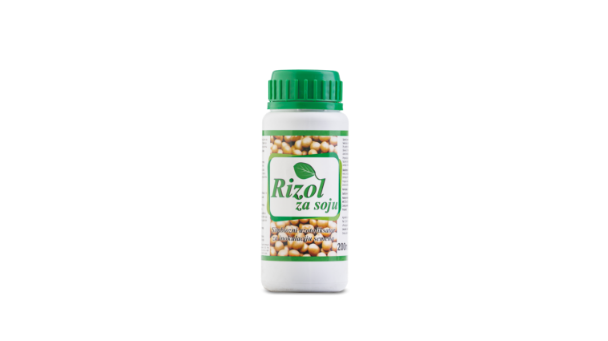

 Description
RIZOL for soybeans is a microbiological preparation for inoculating soybean seeds before sowing.
It contains nodule bacteria that settle on the roots of the plant after sowing and form nodules through which soybeans get natural nitrogen from the air.
When the bacteria are applied to the seed, they move to the root after germination and enter its young parts. There they begin to reproduce and form nodules – small growths on the roots that represent a natural “nitrogen factory”. In them, bacteria convert nitrogen from the air into a form that the plant can use immediately.
Thanks to this soy:
What does the symbiosis of plant and bacteria mean
Nodule bacteria live in community with the plant.
The plant provides them with food (sugars it creates through photosynthesis), and the bacteria provide the plant with nitrogen — the most important nutrient for soybean development.
It is important to know that each culture has “its own” bacteria, so soybean bacteria work specifically on soybeans.
The formation of nodules is also influenced by the conditions on the plot:
The RIZOL advantage
The bacteria are applied to a liquid carrier that allows them to survive longer on the seed after treatment, so the inoculation remains effective even when sowing is not done immediately.
The preparation also contains a natural growth stimulator that:
 Composition
Soybean rhizol is used to inoculate soybean seeds with bacteria that fix nitrogen and form root nodules. The advantage of using a liquid carrier is that the bacteria applied to the seeds survive longer. Seed inoculation with soybean rhizol can be carried out 30 days before sowing and the dried and treated seeds can be stored until sowing.
What bacteria does soybean rhizole contain?
Nitrogen fixers – bacteria that perform nitrogen fixation, of two types:
Phosphomineralizers – bacteria that convert organic phosphorus compounds into mineral forms, inhabit the roots and supply plants with phosphorus in the initial stages of development.
 Method of Application
First of all, it should be noted that a 200 ml bottle of Rizola for soybeans is sufficient for the biofertilization of 100 kg of soybeans and that only seed treatment can be carried out 30 days before sowing.
How to use: pour Rizol for soy (200ml) into 250 ml of water, or Slavola S.

 Effects of application of RIZOL for soybeans
The application of RIZOL has the greatest effect on the beginning of soybean development and its nitrogen supply during the entire growing season.
On the plant
During the growing season
Additionally

It was created as a result of multi-disciplinary scientific research in which the effects of the application of PGPR bacteria from the Agrounik collection were examined in the production of field crops, vegetables and flowers, fruit and vines.
"*" indicates required fields


RIZOL for peas is a microbiological preparation for seed inoculation before sowing.It enables the formation of nodules on the roots...


RIZOL for alfalfa is a microbiological preparation for seed inoculation before sowing.It enables the formation of nodules on the roots...
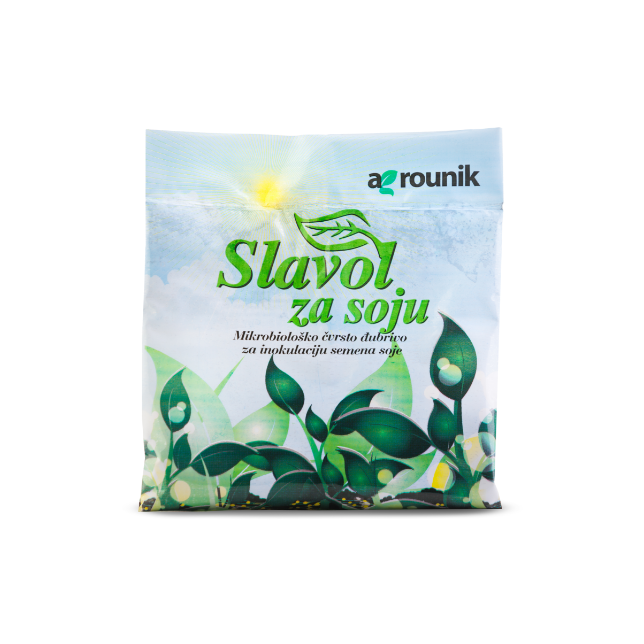

SLAVOL for soybeans is a microbiological preparation for the treatment of soybean seeds before sowing.It encourages the formation of nodules...
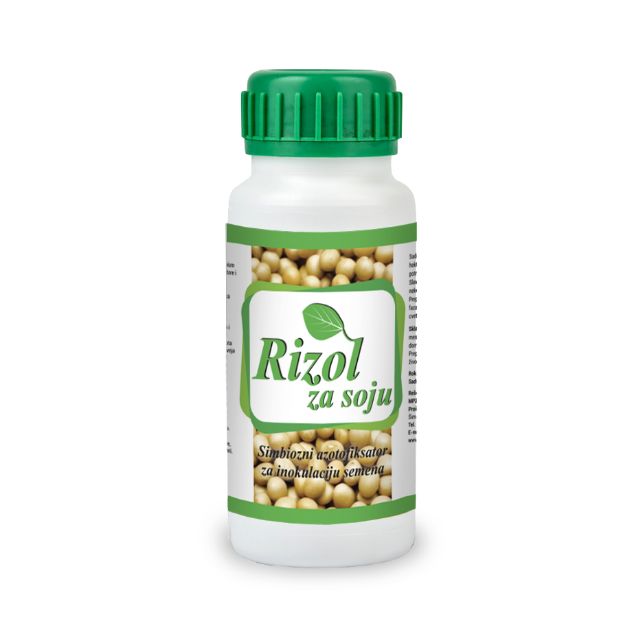
RIZOL for soybeans is a microbiological preparation for seed inoculation before sowing.It ensures the formation of nodules on the roots...
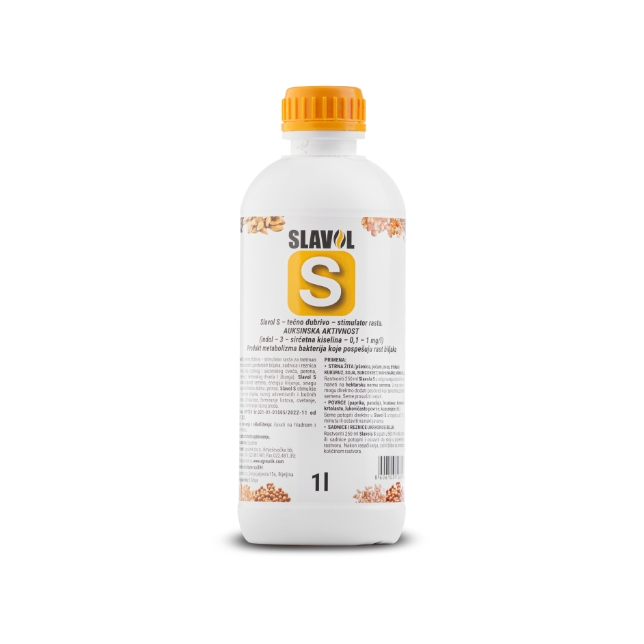

SLAVOL S is a liquid biostimulant fertilizer for the treatment of seeds and young plants.It encourages faster germination, develops stronger...
Professional guidance for your successful and sustainable agriculture, based on knowledge, experience and modern solutions.

We are approaching the main operation in farming, the sowing of crops. In addition to good agrotechnics, respect for crop...


 Brochures