

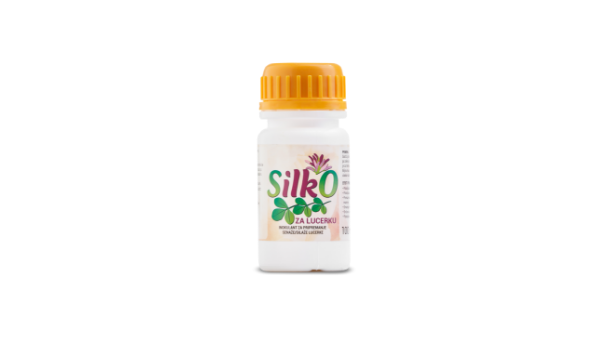
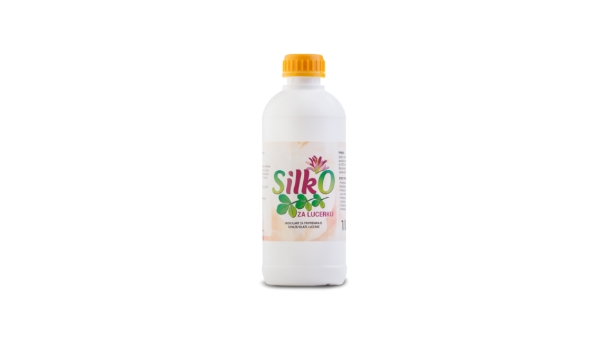
Silko for alfalfa is a specialized product intended for the preparation of silage, i.e. alfalfa hay. Due to its composition and mode of action, it is extremely important for modern cattle production, which today cannot be imagined without the use of silage.
 Description
Silko for alfalfa is intended for the preparation of silage/alfalfa hay, and its application is reflected in the higher nutritional value of the silage and numerous other benefits that contribute to its overall quality.
Why is it important and how does Silko work for alfalfa?
The goal of preserving green plants by ensiling is to preserve their nutritional value as much as possible for as long as possible and to provide tasty and healthy food for animals, as well as to ensure stable production of milk and meat.
Silage is a product that is created in the process of preserving animal feed using the ensiling method using natural microflora or added inoculated, selected strains of bacteria by lactic acid fermentation.
Considering that there are very few lactic acid bacteria from the leaves and that they ferment sugars according to the heterofermentative type, the fermentation process is uncontrolled, and the silage is usually not of satisfactory quality, it does not have a nice taste and smell, and animals are reluctant to consume it.
For this reason, it is recommended to use inoculants, i.e. special supplements based on homofermentative milk bacteria, because a high number of these bacteria is achieved at the start.
What is required for successful silage preparation?
For the successful preparation of silage, it is necessary to ensure anaerobic conditions by compaction, which prevents the growth of aerobic microorganisms, such as yeasts, molds and putrefactive bacteria, which adversely affect the quality of silage and the health of animals.
Silko for alfalfa contains homofermentative lactic bacteria that produce enzymes that hydrolyze polysaccharides to monosaccharides and thus reduce the sugar deficit in alfalfa. Also, it contains a consortium of homofermentative milk bacteria that are active at different pH.

 Composition
Alfalfa silk contains Lactobacillus plantarum and Peciococcus sp. Due to its chemical composition, alfalfa is difficult to ensile because it contains only 7% sugar. Homofermentative lactic bacteria produce enzymes that hydrolyze polysaccharides and release sugars that are converted into acids that lower the pH during lactic acid fermentation.
Lactobacillus plantarum is active at pH 6, and Pediococcus sp. to pH 5, which further lowers the silage pH to 4. All this affects the improvement of the digestibility of NDF and ADF fibers and the preservation of proteins in their natural form, which increases the nutritional value of the silage.
 Method of Application
Application of Silk for alfalfa:
Prepare silage using standard technology. The plant mass must be well compacted and sealed from air entering the silo or bales.
 Effects of Application
Effects of applying Silk for alfalfa:


It was created as a result of multi-disciplinary scientific research in which the effects of the application of PGPR bacteria from the Agrounik collection were examined in the production of field crops, vegetables and flowers, fruit and vines.
"*" indicates required fields

Silko for grasses and cereals from our line of inoculants for silage is a specialized product that gives optimal results...
Silko for alfalfa is a specialized product intended for the preparation of silage, i.e. alfalfa hay. Due to its composition...
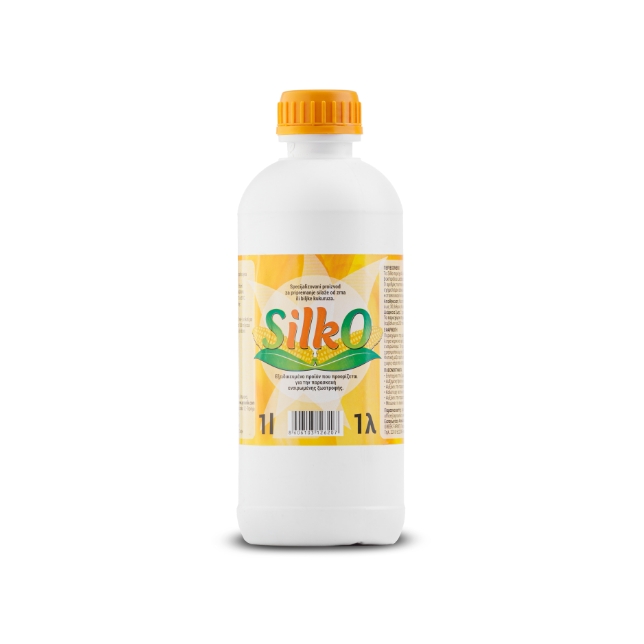

Silko is a specialized product whose main purpose is corn silage. It is used for ensiling corn grains or the...
Professional guidance for your successful and sustainable agriculture, based on knowledge, experience and modern solutions.


 Brochures