Antraknoza paprike (Colletotrichum spp.)
Etiology of the disease
Pepper anthracnose is a serious fungal disease, the most common causative agents of which are species from the genus Colletotrichum, primarily Colletotrichum truncatum, C. gloeosporioides and C. acutatum. These polyphagous phytopathogenic fungi parasitize a large number of plant species, and can cause significant economic damage to peppers, especially in intensive production and in conditions of increased humidity.
Fungi from the genus Colletotrichum reproduce by conidia that form in acervuli. Warm and humid conditions (25–30°C, >86% RH) are optimal for their development. Infection can occur directly through the epidermis, natural openings, or mechanical damage.
Symptoms
On pepper, the symptoms of anthracnose are most pronounced on the fruits, in different stages of development, but most often on the ripe fruits. Characteristic symptoms include:
- Concentric, sunken necrotic lesions of dark brown to black color,
- Watery, rots that progressively affect most of the mesocarp,
- Microscopically visible acervuli with an orange or pink mass of conidia in conditions of high humidity,
- Smaller chlorotic spots may appear on the leaves and stem, which turn into necrosis, but such symptoms are rarer and less characteristic.
Symptoms can also appear postharvest, especially if the fruits were latently infected.
Economic importance and epidemiology
Anthracnose spreads easily in favorable climatic conditions. Fungi overwinter in infected plant debris, seeds, contaminated tools and packaging. In crops, spread occurs through water (rain, dew, condensation), wind, insects and human activity. Infected seeds are a common initial inoculum in closed spaces (greenhouses, greenhouses).
Conditions that favor infection include:
- Temperatures of 25–30°C,
- Air humidity above 90%,
- Presence of free water on plants for more than 12 hours.
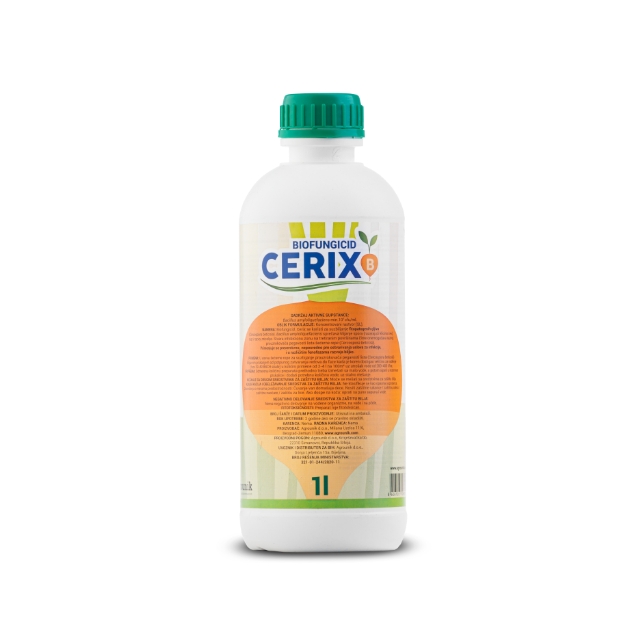
To solve the problem, Agrounik recommends the use of Biofungicide ERWIX in the amount of 150 ml/10 liters of water.
The advantage of the preparation ERWIX is that it has no withdrawal period and allows its application during the harvest
Fruits where we have the most problems with damage from Anthracnose.
author of the text: B.Sc. Eng. Ivan ŠPAKOVSKI
📞 064 646 73 27