

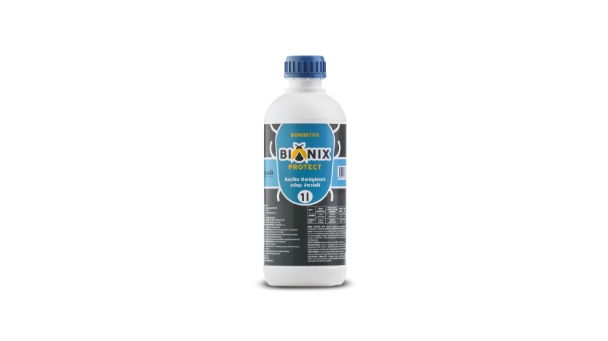
BIONIX is a biologically registered insecticide based on the bacterium Bacillus thuringiensis subsp. kurstakii.
It is intended to control butterfly caterpillars that damage leaves and fruit. After feeding on the treated leaf, the larvae stop feeding and die, so the damage is quickly stopped.
It is suitable for organic and conventional production.

 Description
BIONIX is a biological insecticide for controlling butterfly larvae (caterpillars) that damage the leaves and fruit of fruits and vegetables.
It contains the bacterium Bacillus thuringiensis subsp. kurstakii (Bt), which creates protein crystals during development – a natural active substance that acts exclusively on the larval stages of pests.
The preparation is particularly effective against:
but also other caterpillars that bite leaves, flowers and young fruits.
After spraying, the larva ingests the active substance from the surface of the leaf or fruit during feeding. Protein crystals are activated in the caterpillar’s digestive system, digestion is interrupted, the larva stops feeding and soon dies.
BIONIX acts only on caterpillars that feed on treated parts of the plant and has no harmful effect on plants, beneficial insects (bees, bumblebees and predators) and the environment. That is why it is suitable for organic and conventional production and can be applied even during the flowering period.
 Mode of action
BIONIX only works after the larva (caterpillar) eats the treated leaf or fruit.
Active substance from the bacterium Bacillus thuringiensis subsp. kurstakii in the gut of the larva is activated and changes into the form of the so-called delta-endotoxin. In the digestive system of the caterpillar, the gut wall is damaged, so the larva can no longer digest food.
What’s happening to the caterpillar
Activation of the toxin is possible only in an alkaline environment such as that of butterfly caterpillars, which is why the preparation works selectively — it is safe for plants, humans, animals and beneficial insects.
 Method of Application
Apply the preparation immediately before sawing and during the sawing of larvae of the L1 stage, when it exhibits the greatest efficiency. Depending on the climatic conditions, the treatment can be repeated in 5-7 days.
| GROWN PLANT | PATHOGEN | CONCENTRATION | TIME OF APPLICATION |
| APPLE | Apple moth (Cydia pomonella | )1 – 1.5% | At the beginning of the first larvae seedling. Repeat every 5 – 7 days, 2 – 3 times. |
| VINE | Gray grape moth (Lobesia botrana) | 1 – 1.5% | At the beginning of the first larvae hatching. Repeat every 5 – 7 days, 2 – 3 times. |
 Effects of Application
Effects of using BIONIX
Application of BIONIX stops damage to the leaf and fruit because the larvae stop feeding immediately after the treatment.
On pests
On the crop
Application security
 Video
Video
It was created as a result of multi-disciplinary scientific research in which the effects of the application of PGPR bacteria from the Agrounik collection were examined in the production of field crops, vegetables and flowers, fruit and vines.
"*" indicates required fields
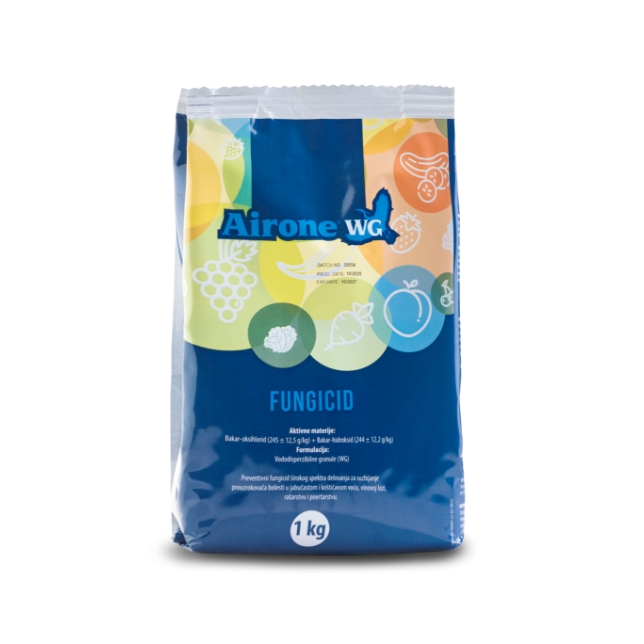

AIRONE WG is a modern copper fungicide and bactericide with a patented WG formulation, intended for effective and safe protection...


FUZARIX is a biological fungicide for the preventive protection of plants against diseases caused by fungi of the genus Fusarium...


CERIX B is a registered biopesticide for strengthening the natural resistance of plants to diseases, especially in sugar beet against...
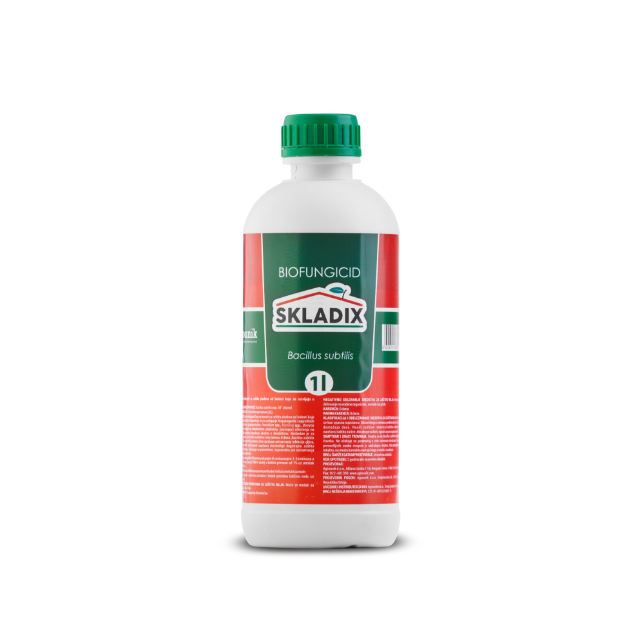

SKADIX is a biological fungicide for protecting fruits and vegetables from rotting during storage.It prevents the development of storage pathogens...
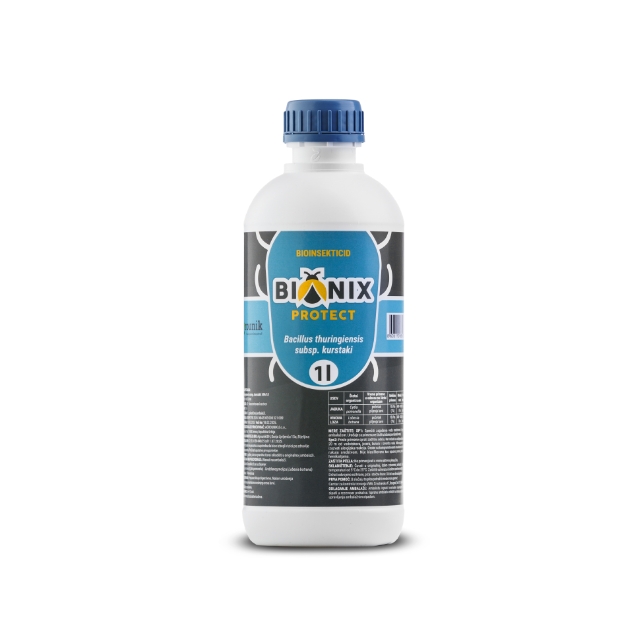
BIONIX is a biologically registered insecticide based on the bacterium Bacillus thuringiensis subsp. kurstakii.It is intended to control butterfly caterpillars...


FIRMIX is a microbiological preparation containing PGPR – Bacillus firmus. B. firmus produces as secondary metabolites enzymes that break down...
Professional guidance for your successful and sustainable agriculture, based on knowledge, experience and modern solutions.

BIONIX is the first domestic bioinsecticide containing the Gram-positive bacterium Bacillus thuringiensis subsp. kurstaki. During the sporulation process, the bacterium...

Cabbage – One of the most important vegetable crops in Serbia Cabbage is one of the most important vegetable crops...

